
Brief
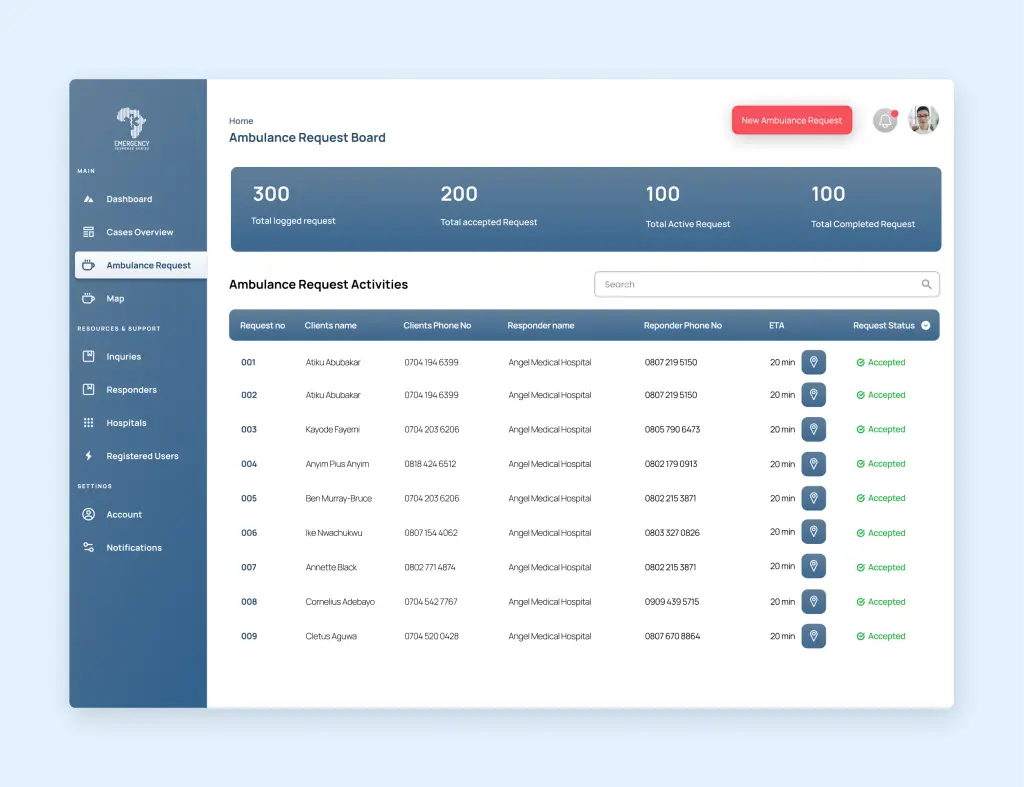
Emergency Response Africa(ERA), a health tech company in Nigeria, recognised the limitations of their existing emergency care system in Africa. These limitations could potentially delay crucial care and impact patient outcomes.
Project
Client / Emergency Response Africa
Type / UX Design and Strategy
Industry / Health, Technology
Date / 2021
Team
CEO / Folake Owodunni
CTO / Maame Yaa Poku Afriyie
UX Strategist & Designer / Ernest Kufuor(Me)
UI Designer / Akinloluwa Adeleye
Our Solution
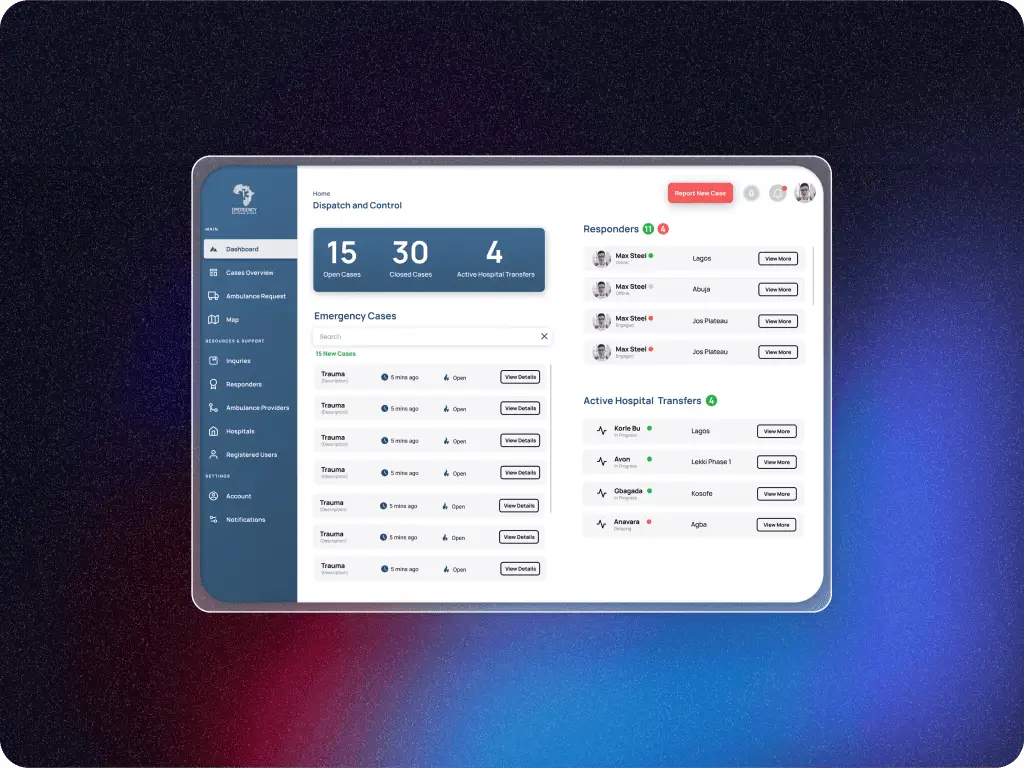
We had to streamline the process by optimizing ambulance dispatch and management for faster response times. This involved implementing a new ambulance process flow, creating an ambulance management portal, and redesigning the dispatch management module.
Design Process
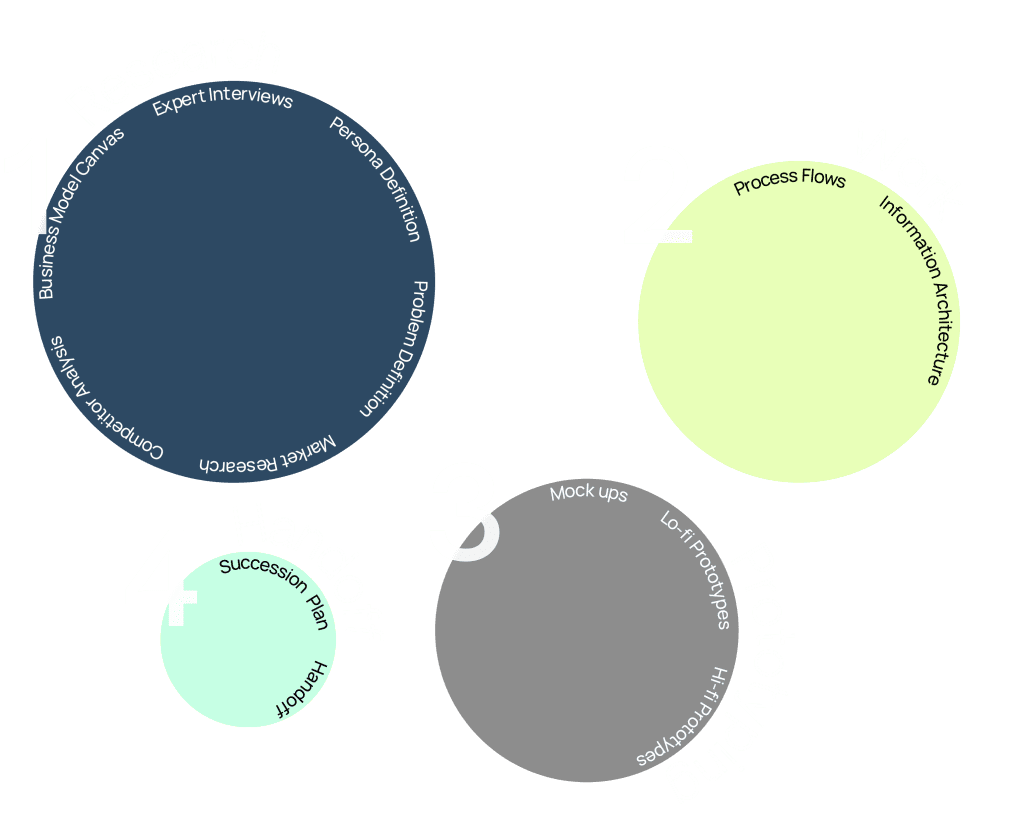
The project used a modified Agile UX design process due to time constraints with tonnes of research.
Not Design Blind
Due to time constraints on the project, we strategically shaped our design process. We opted for a modified Agile UX design approach to facilitate rapid design iterations. The initial phase involved a comprehensive exploration of the problem, industry landscape, client needs, competitor landscape, business processes, and user insights to inform our goals. My primary involvement centred around the UX phase, which included Business Research, Stakeholder Analysis, Market Research, Competitor Analysis, User Research & Expert Interviews and the necessary Process Flows.
Business Research
In this phase, our main goal was to thoroughly understand the business by gathering information on its goals, values, clients, competitors, and industry context. We conducted one-on-one interviews, surveys, a workshop for a business model canvas, and desktop studies to build a solid foundation for our design.
Stakeholder Analysis
This step seamlessly integrated with business research, involving one-on-one interviews to identify key stakeholders, understand their roles, daily processes, and the tools they use. We also sought their opinions on the existing system, pinpointing potential areas for improvement.
Market Research and Competitor Analysis
By grasping the company’s operational context, partners, and competitors, we conducted desktop studies to delve into industry best practices and essential tools for success.
User Research & Expert Interviews
Focusing on end users, particularly internal employees, our aim was to understand their interaction with the platform, identify what worked well, and uncover any pain points. Regular one-on-one interviews were a straightforward and valuable approach in this phase.
Primary Challenges
The primary challenge in this phase revolved around refining the problem scope and navigating coordination across four different time zones. Successfully addressing this challenge required extensive scheduling and communication efforts to secure meetings and gain a comprehensive understanding of the problem’s full scope. Additionally, managing client expectations proved crucial, as we worked to convey the intricacies involved in each stage, dispelling any misconceptions that the project was a straightforward facelift.
General Insights From Research
The initial stages focused on understanding the process, identifying the various stakeholders, and examining their interactions with the system. We aimed to uncover opportunities and pain points through user interviews. Though these images are at collective level, we catered for each kind of user to design for their different needs.
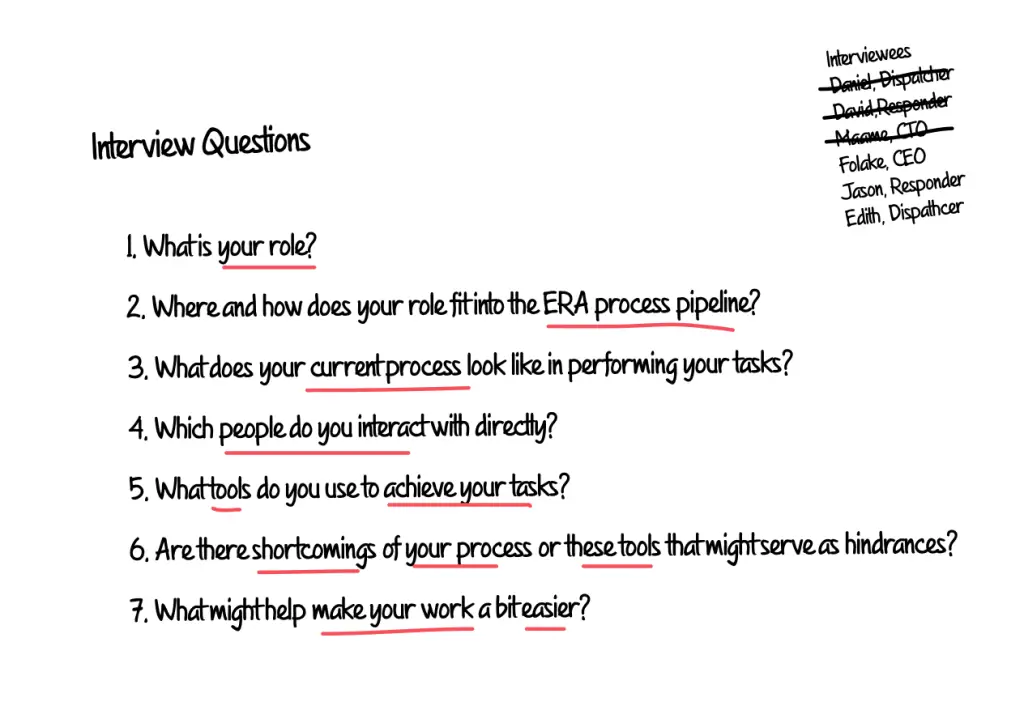
Our primary interviews were with current users, as there were existing systems or manual processes in place. We sought to avoid significant disruptions and instead looked for ways to use design to enhance or significantly improve any shortcomings.
Core Business Process Flow
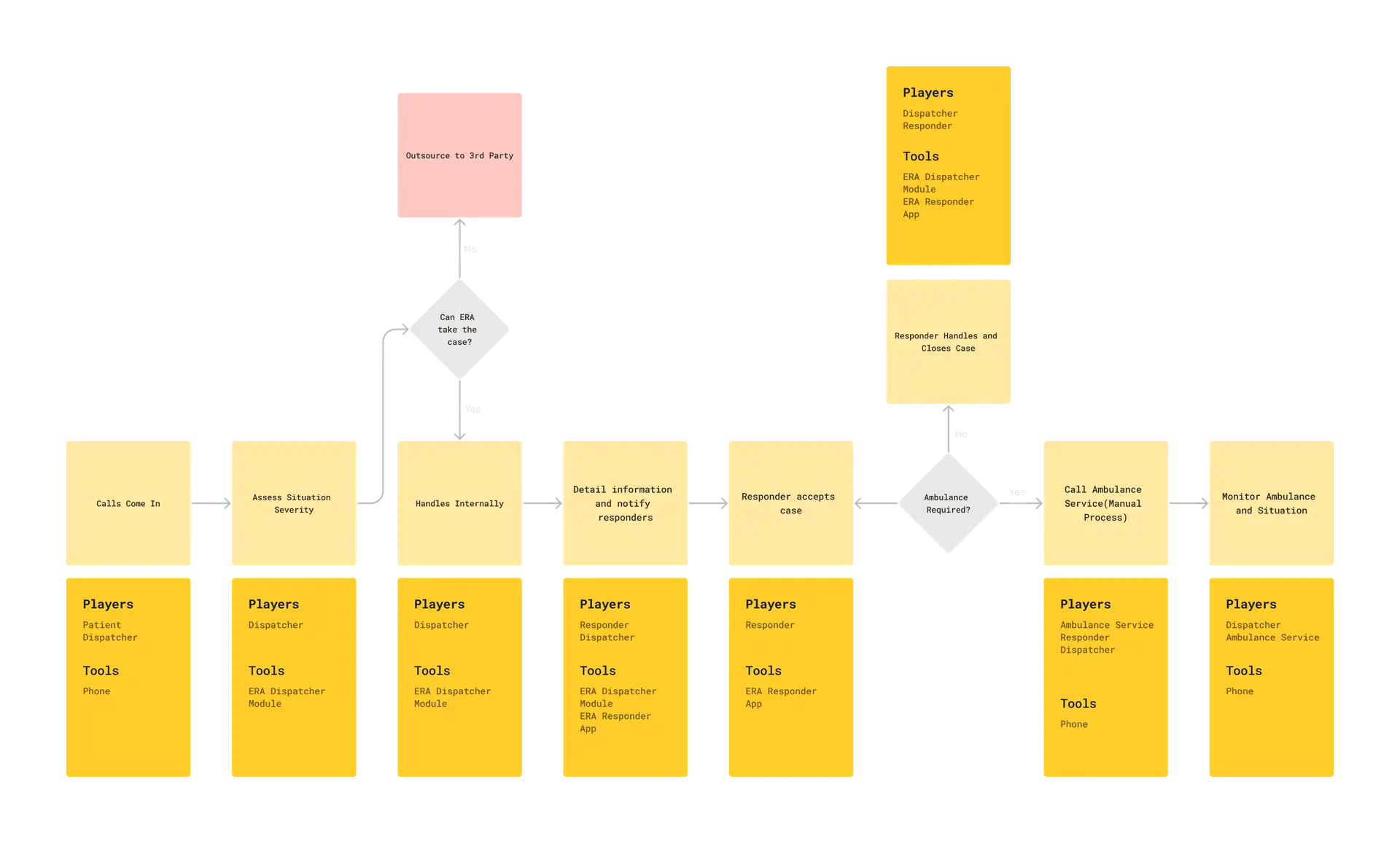
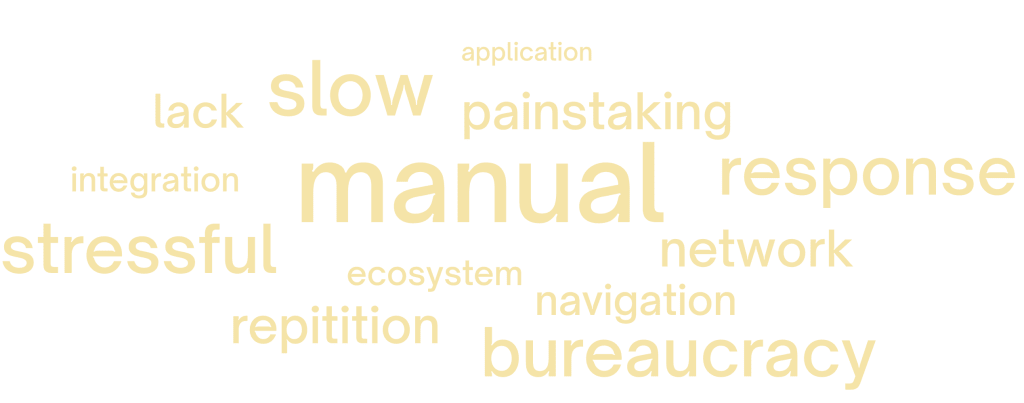
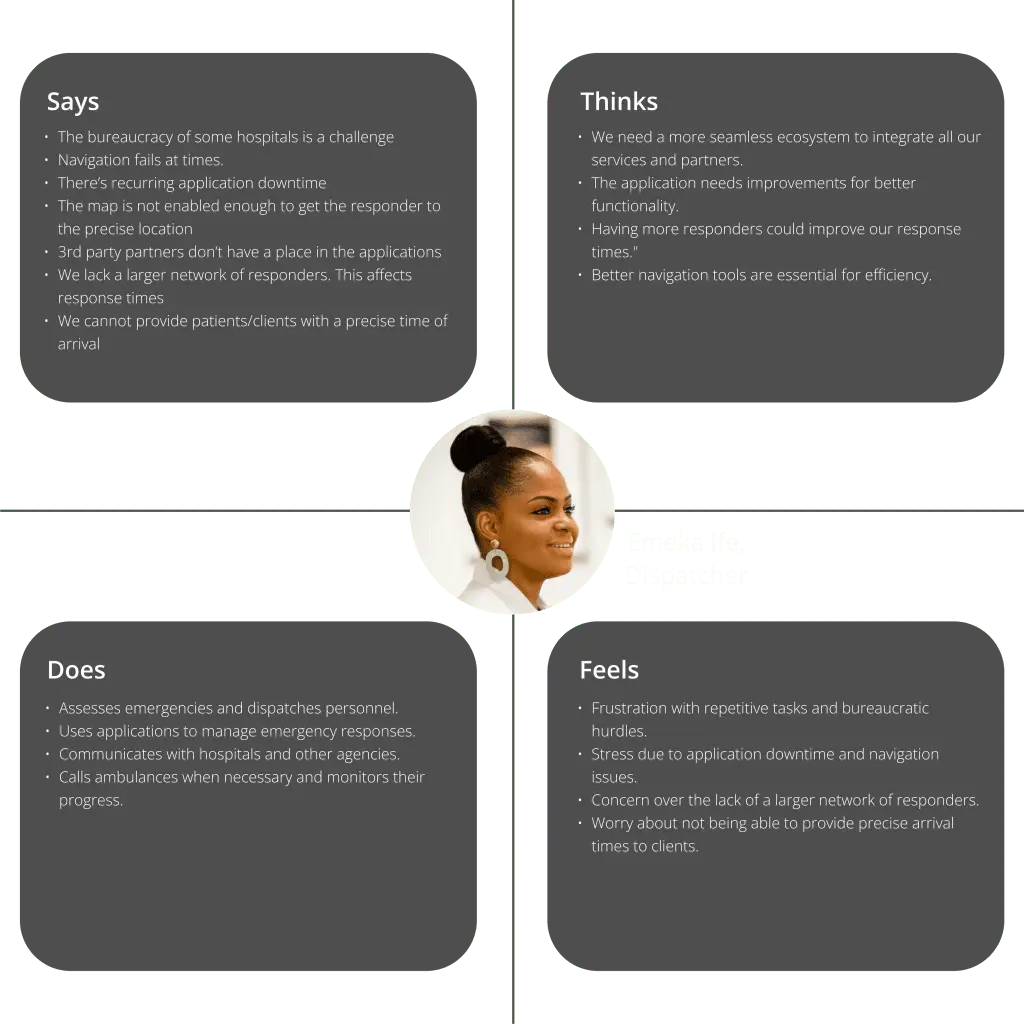
We employed straightforward visuals such as word clouds, charts, and tables to illustrate data such as pain points or processes, facilitating streamlined analysis.
Pain points Word Cloud
Empathy Map
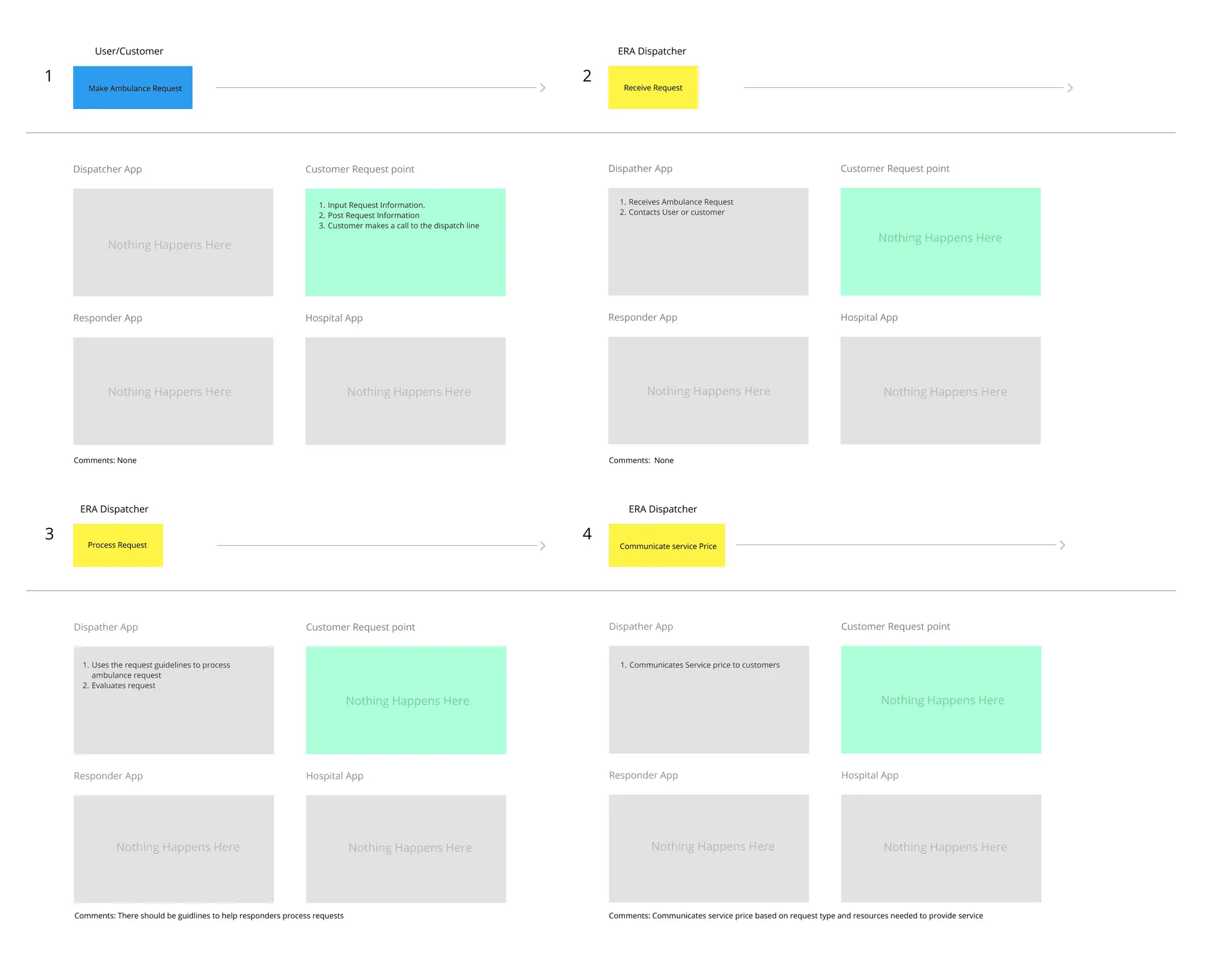
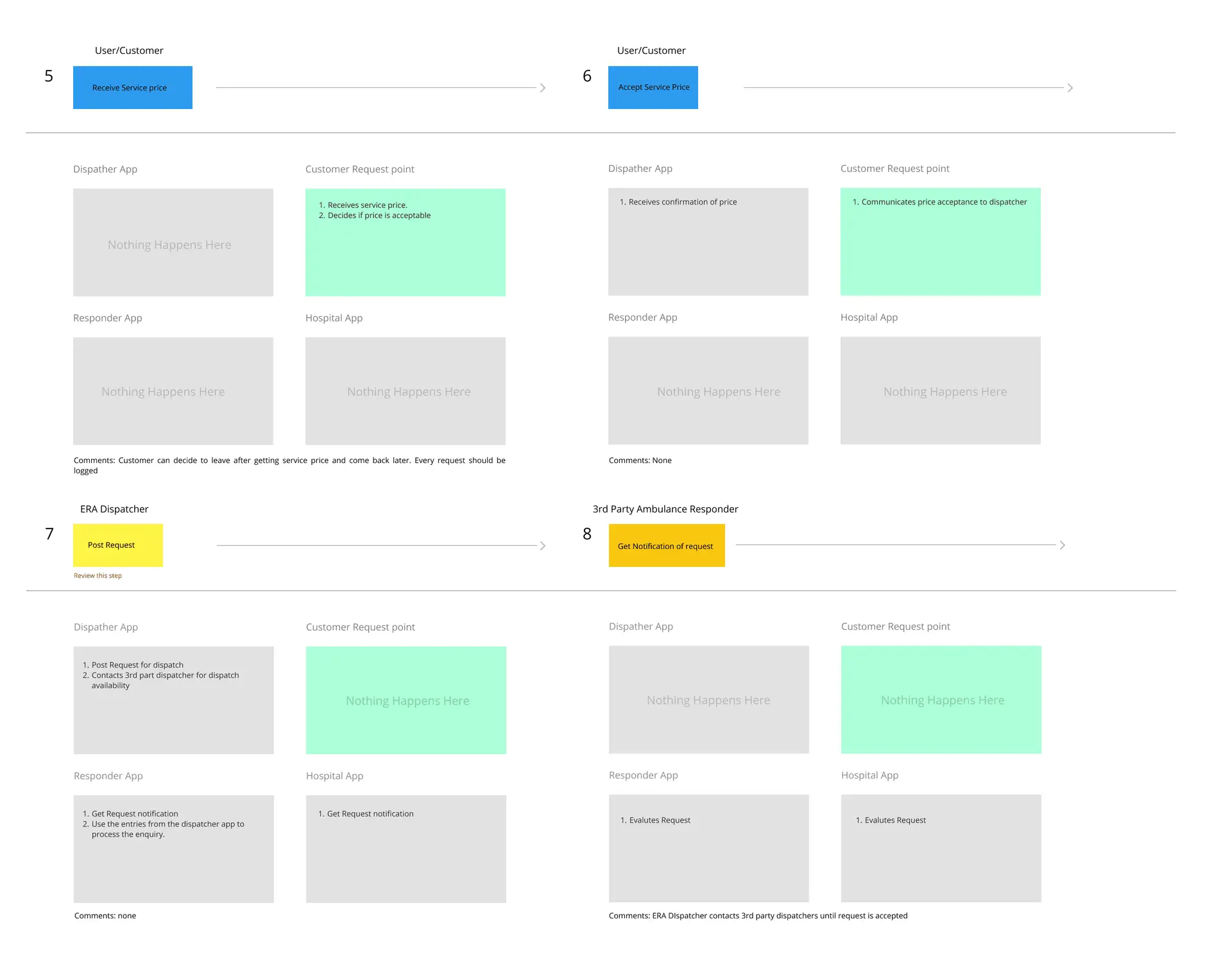
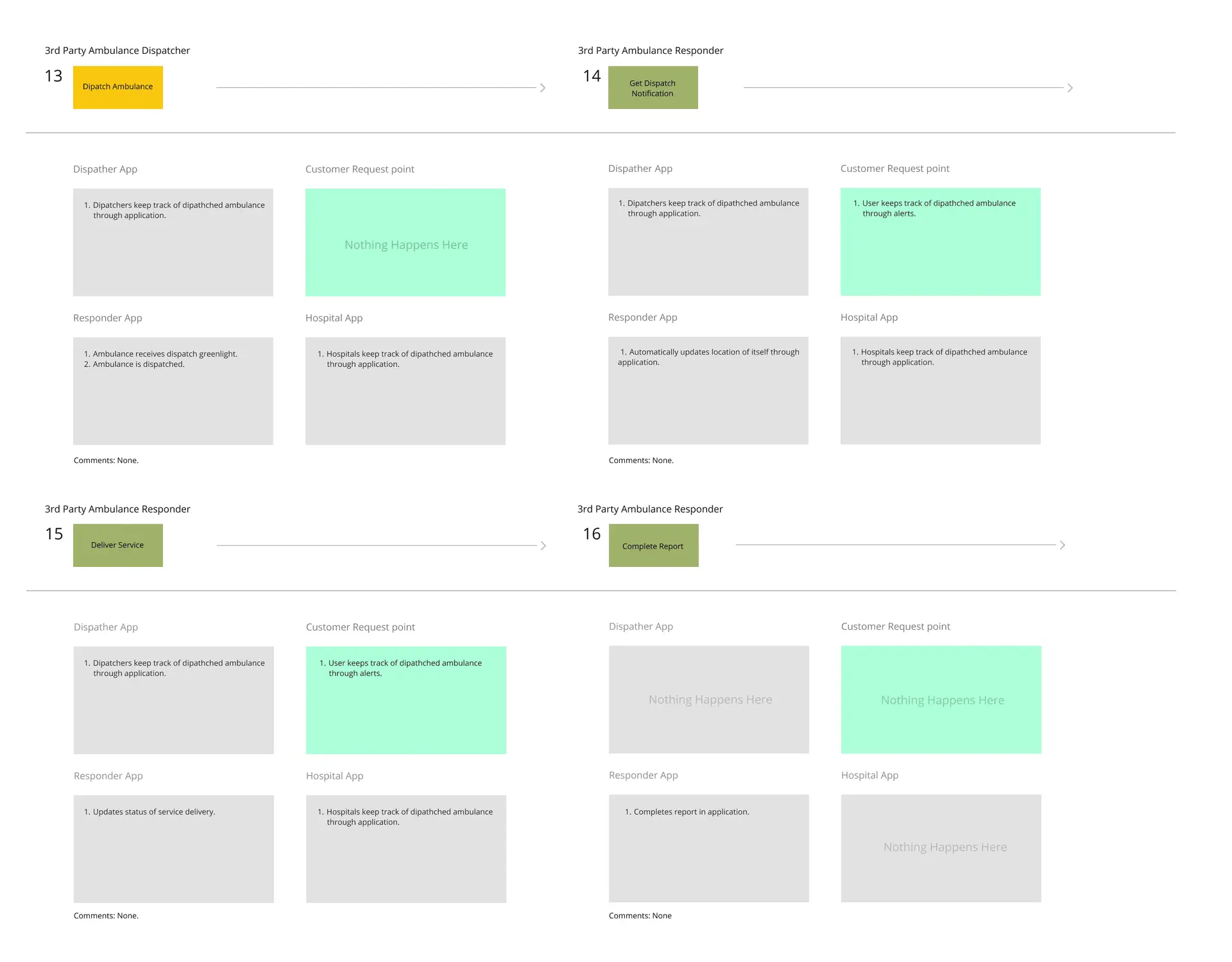
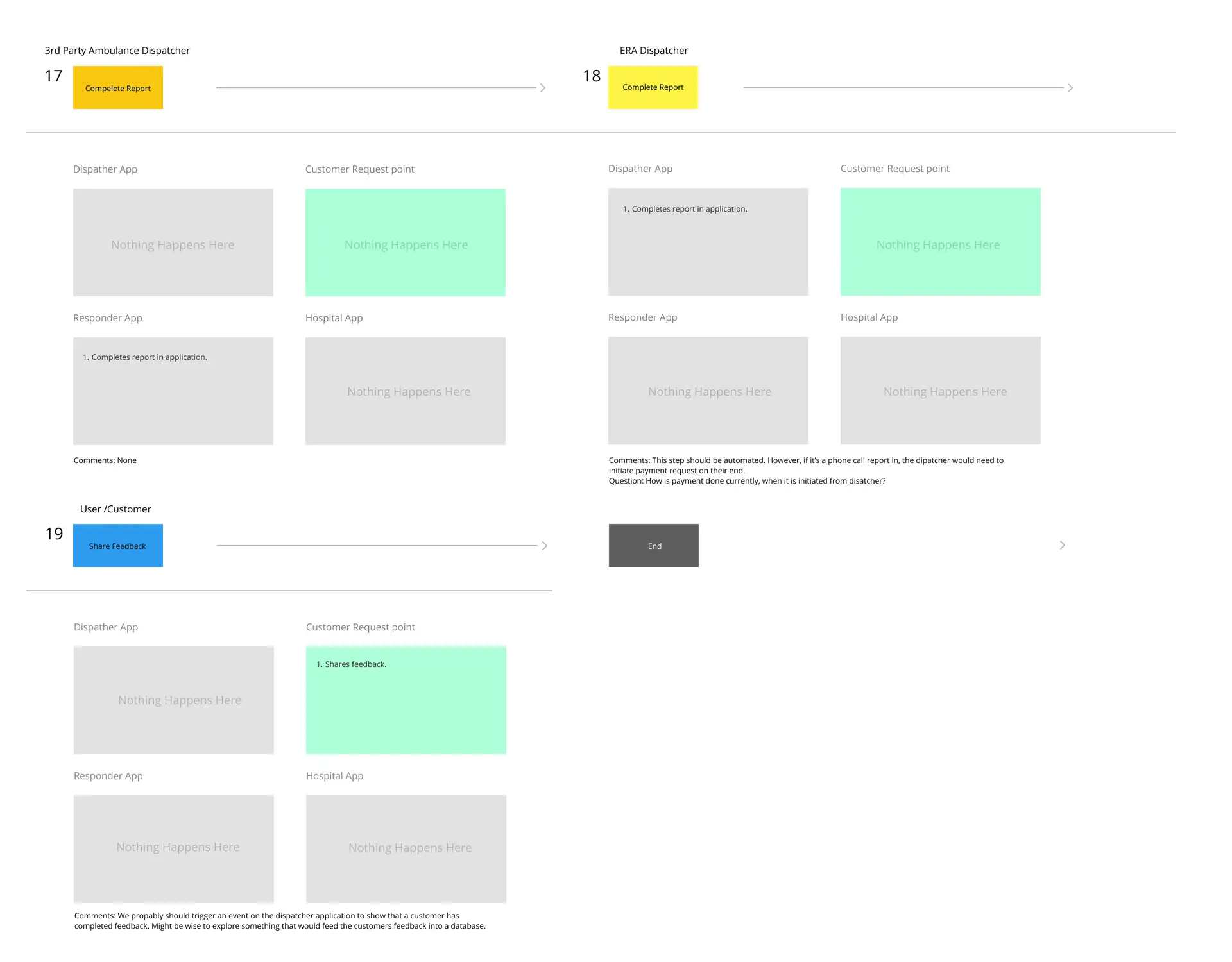
The Ambulance Process
The smooth functioning of ERA relies heavily on the ambulance process flow, which was initially unstructured and managed manually. A thorough understanding of the process became essential to facilitate the development of a dispatch module. Our research insights played a key role in establishing a well-defined process, undergoing multiple reviews and validations with clients and stakeholders until reaching an optimal version.
Emphasis was placed on managing various entities within the ERA ecosystem responding to emergencies, guiding the determination of interfaces for a seamless user experience across applications. This approach informed the development of features for the ambulance module and other related applications, ensuring an efficient and cohesive process.
The Ambulance Dispatch Module
The ambulance process flow served as the blueprint for the ambulance dispatch module. We meticulously defined functionalities and interactions at each stage, then built the information architecture and refined the wireframes iteratively.
Lo-Fi Wireframes
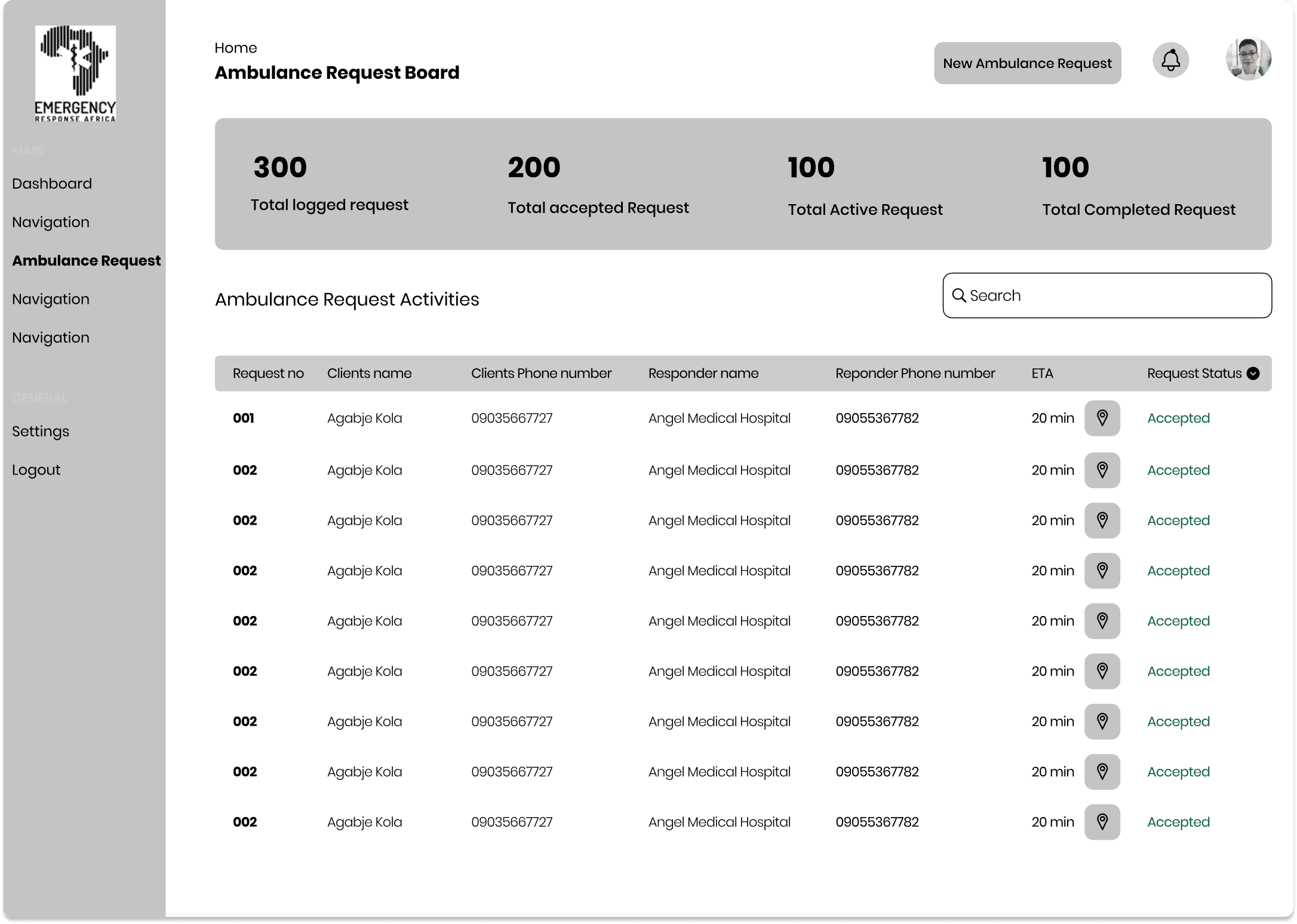
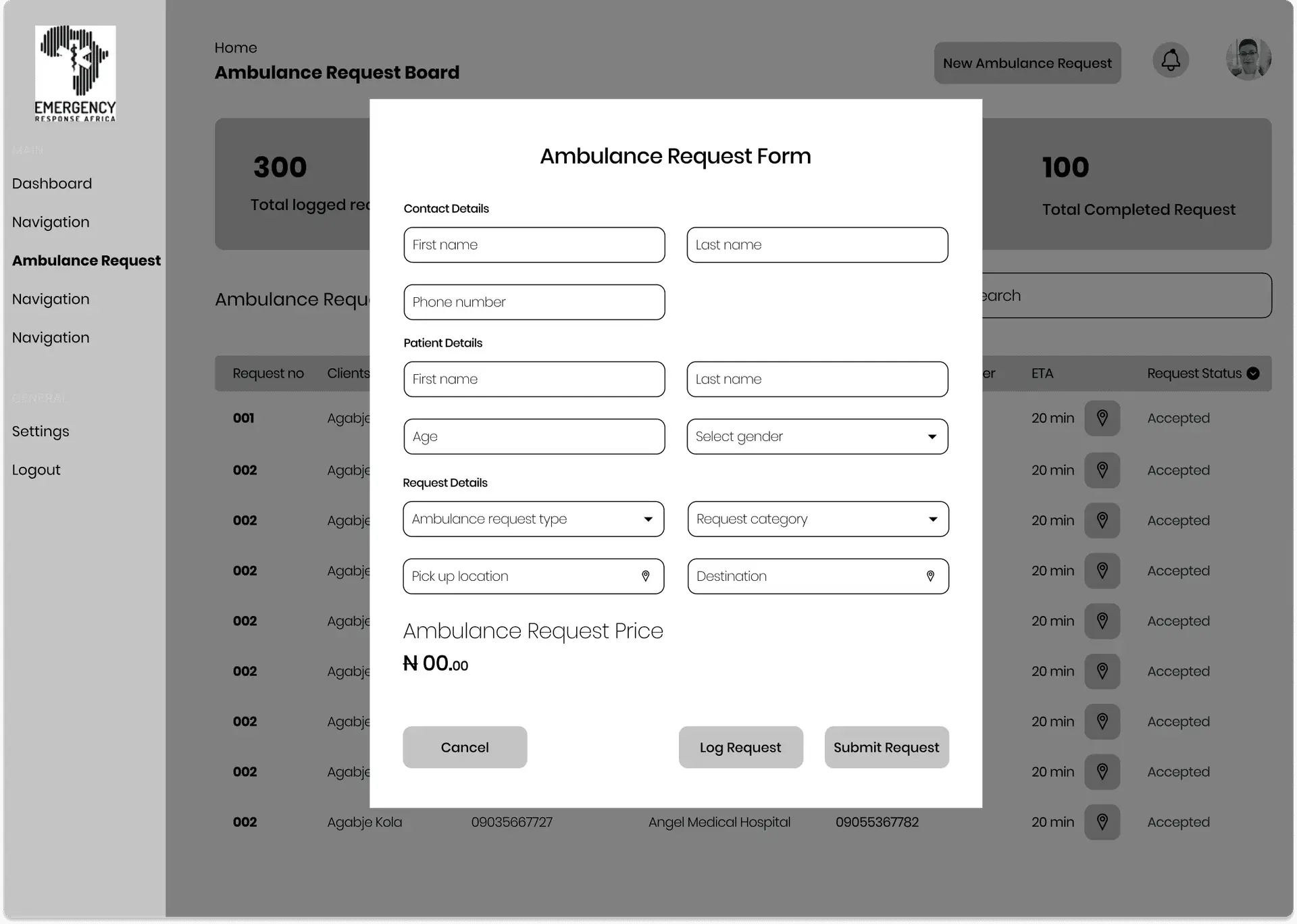
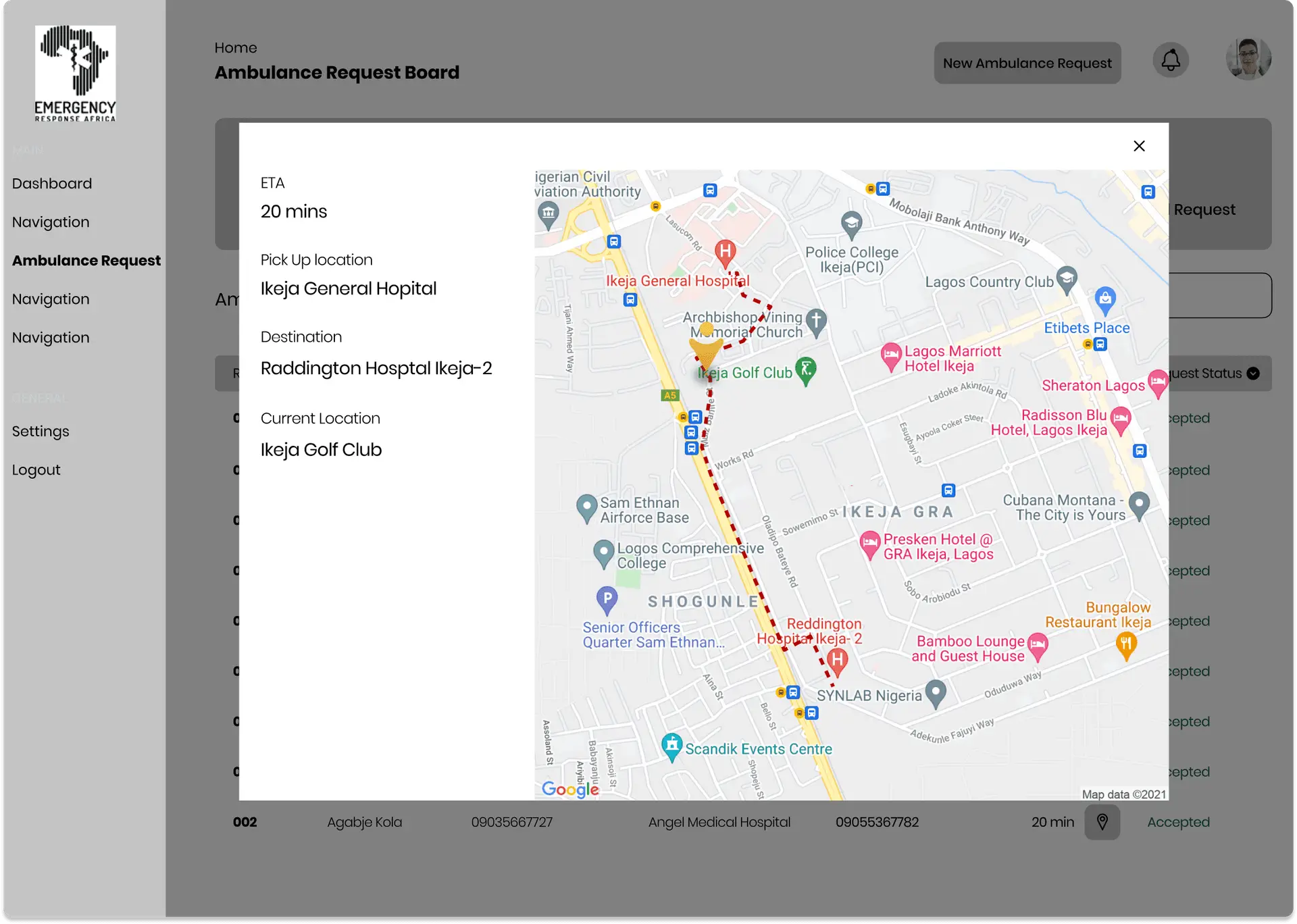
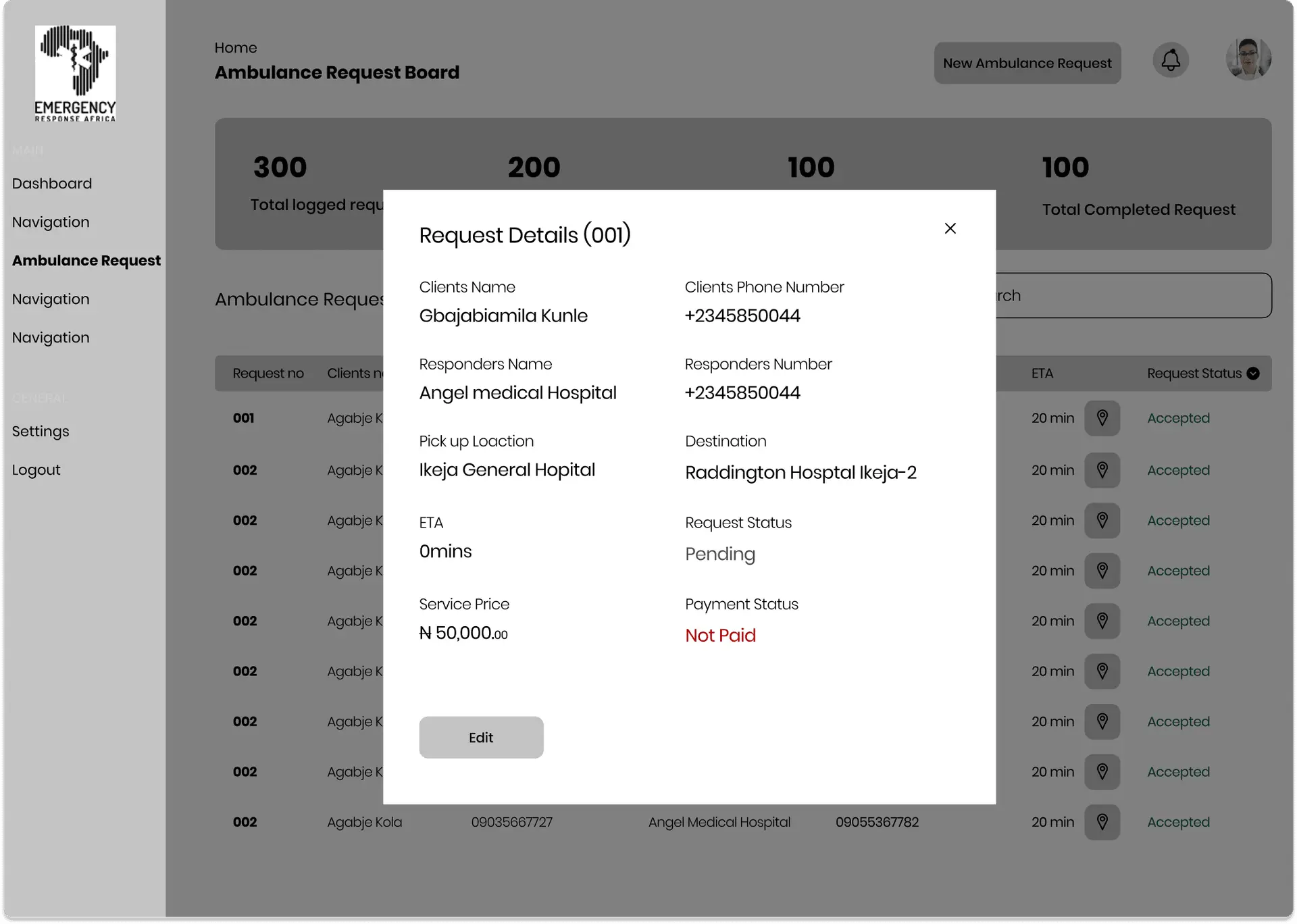
Hi-Fi Wireframes
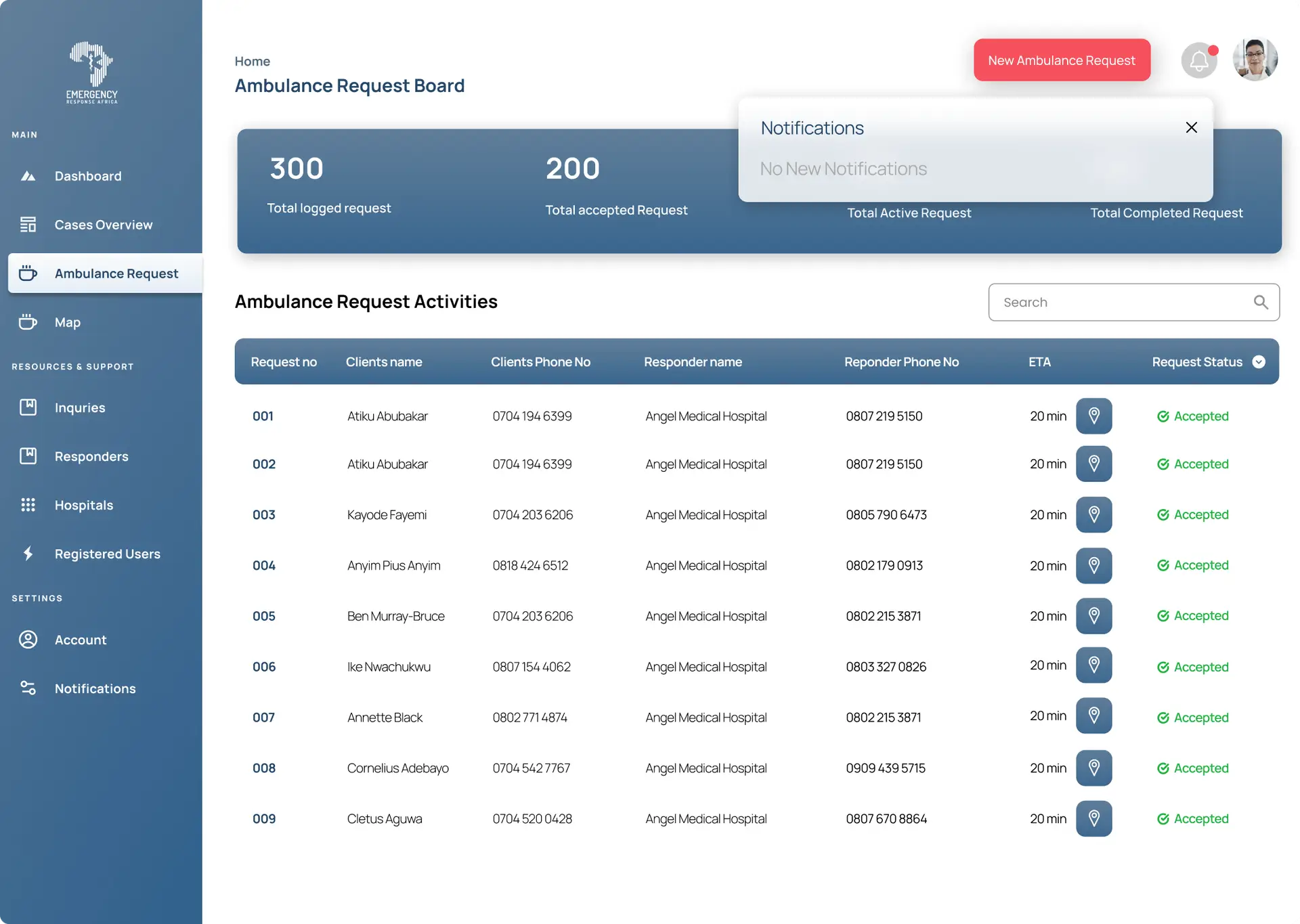
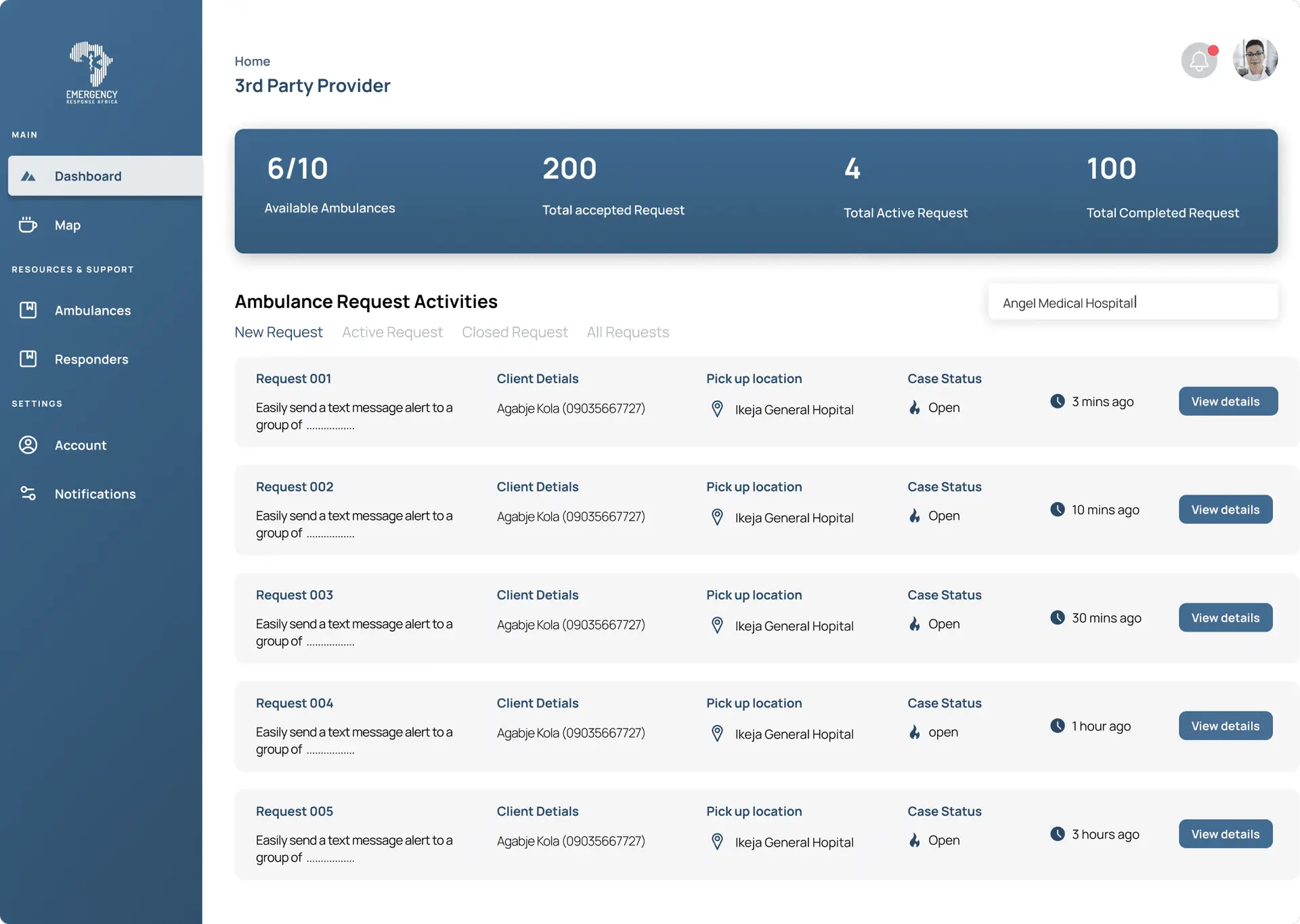
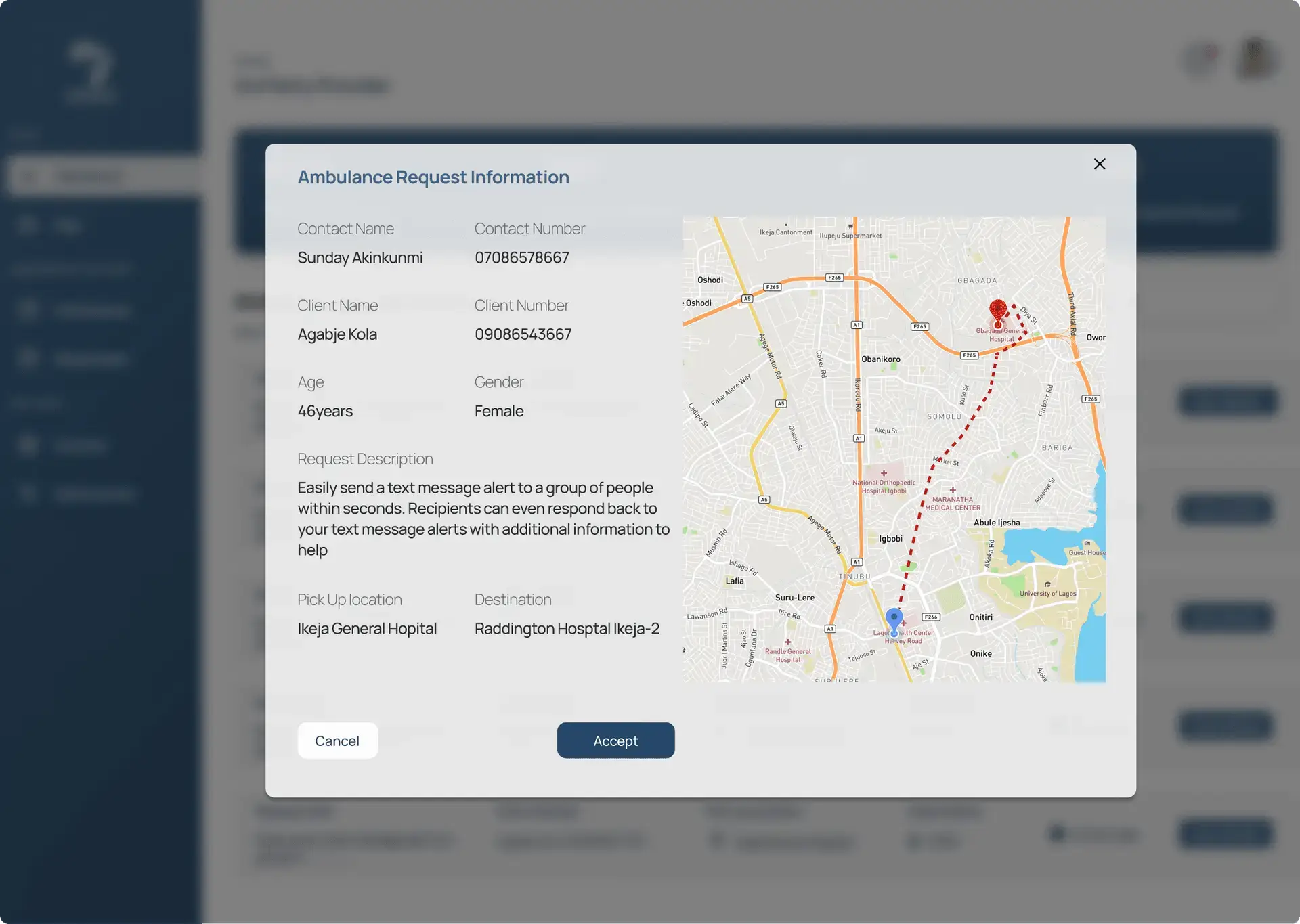
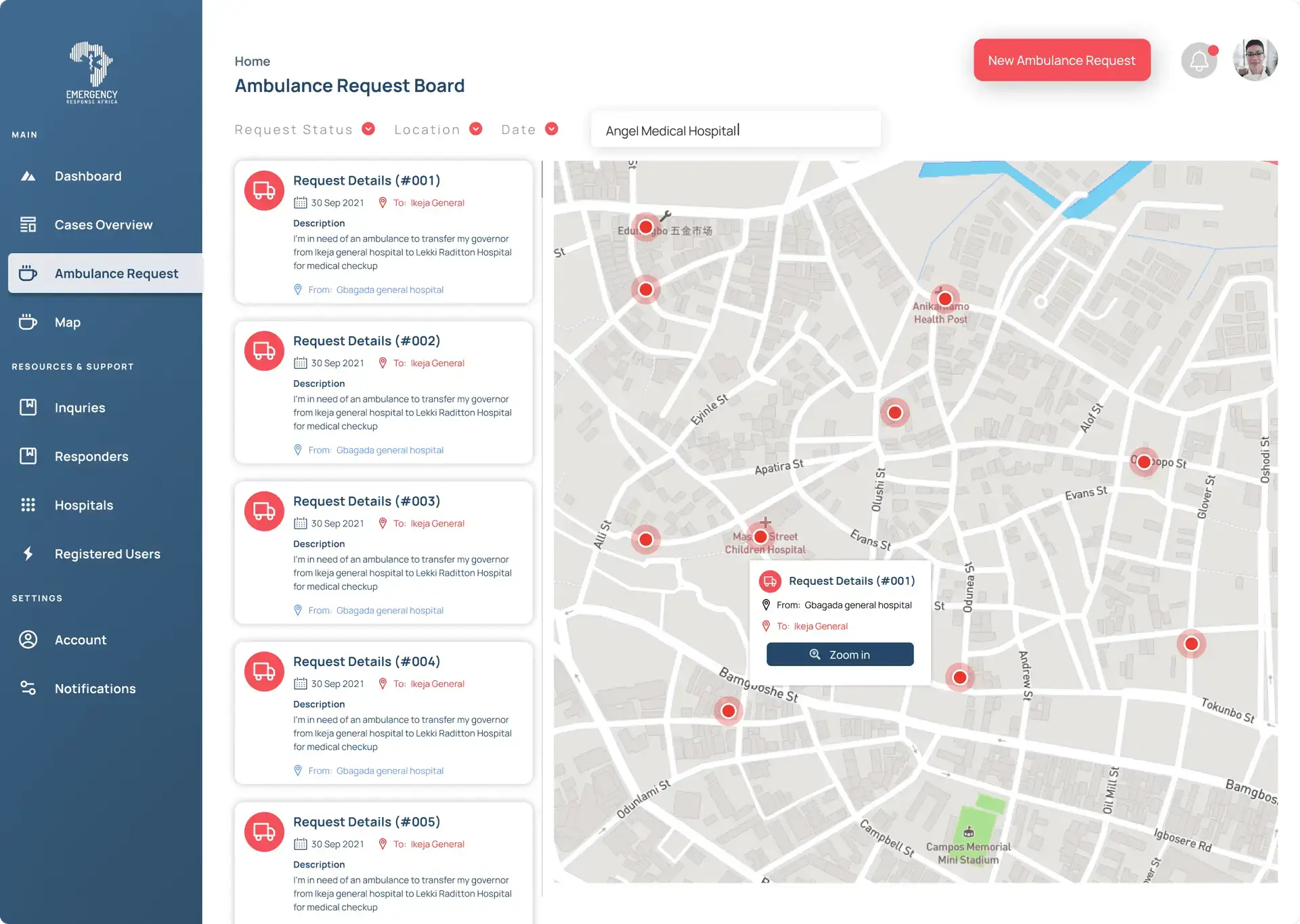
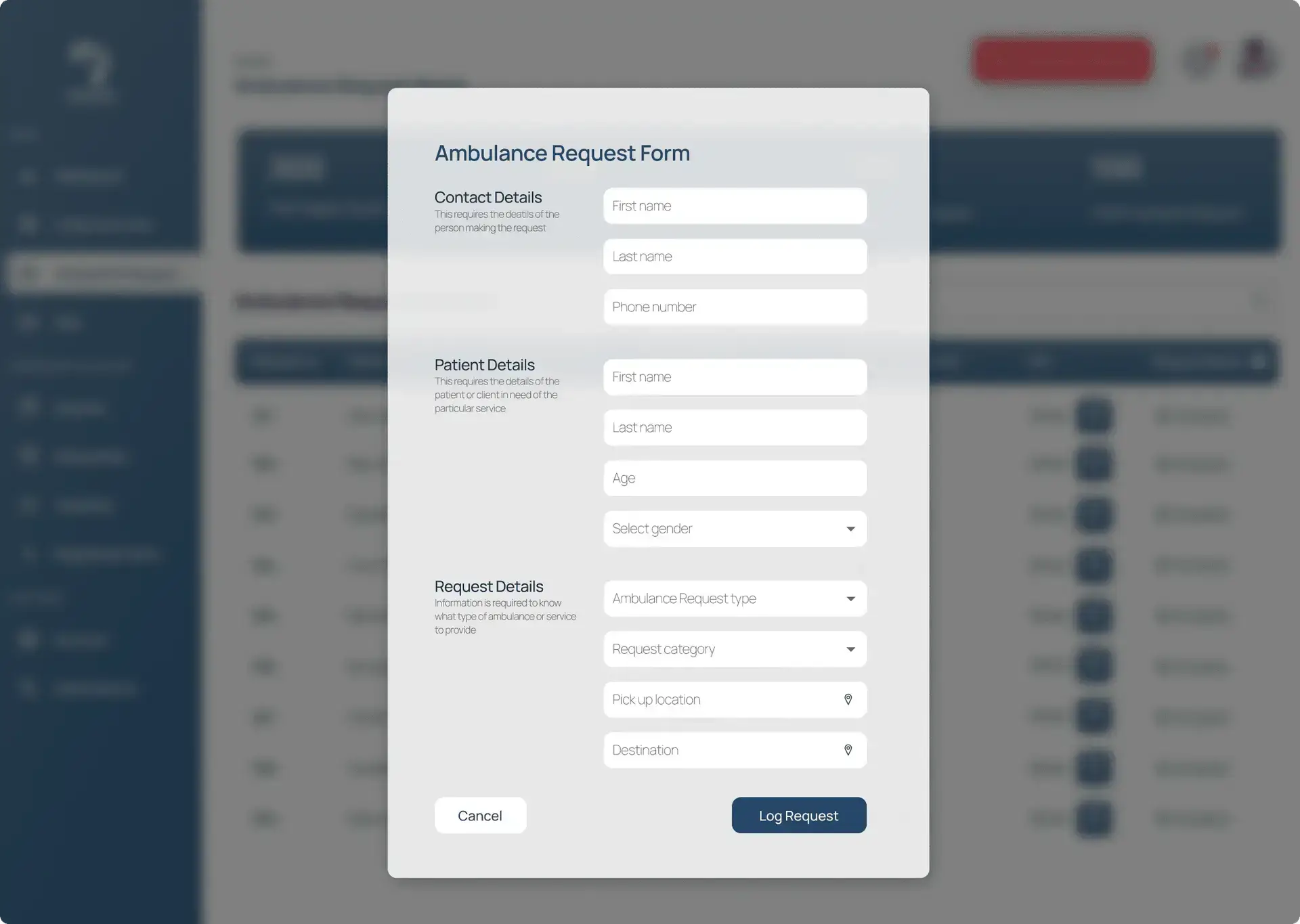
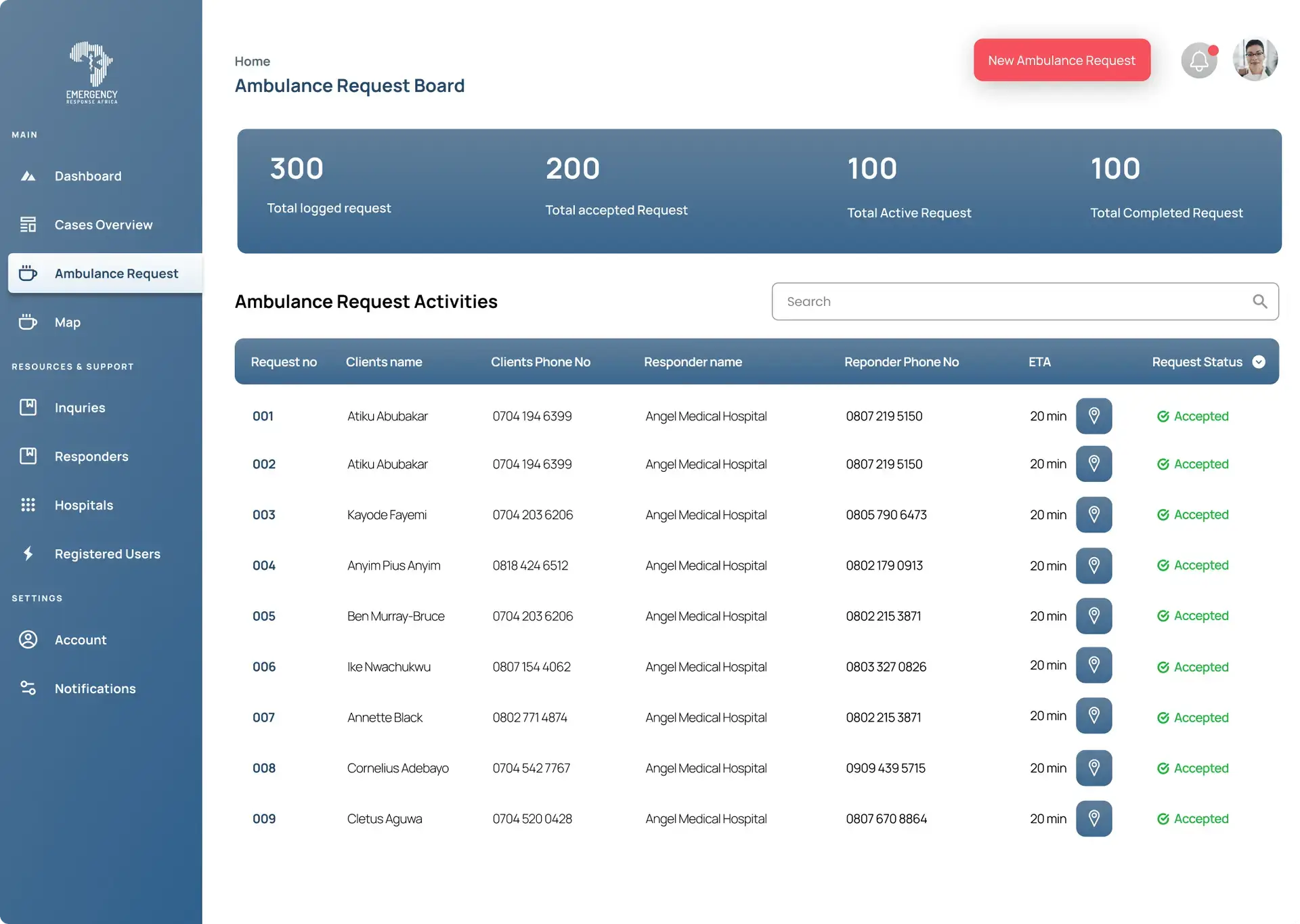
**Wireframes are slightly earlier versions of the final product. Due to privacy, the final product cannot be displayed
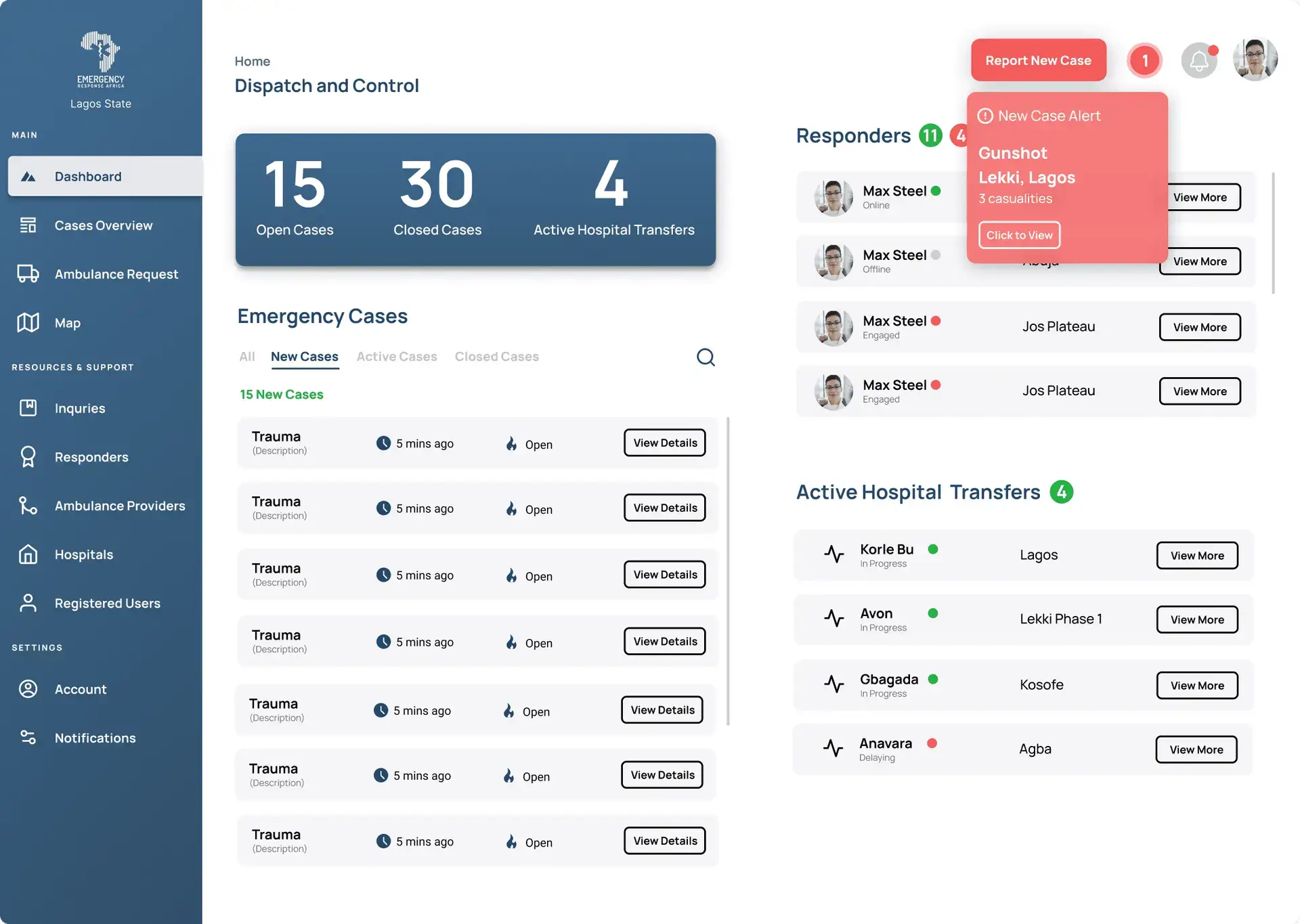
The Dispatch Module Redesign
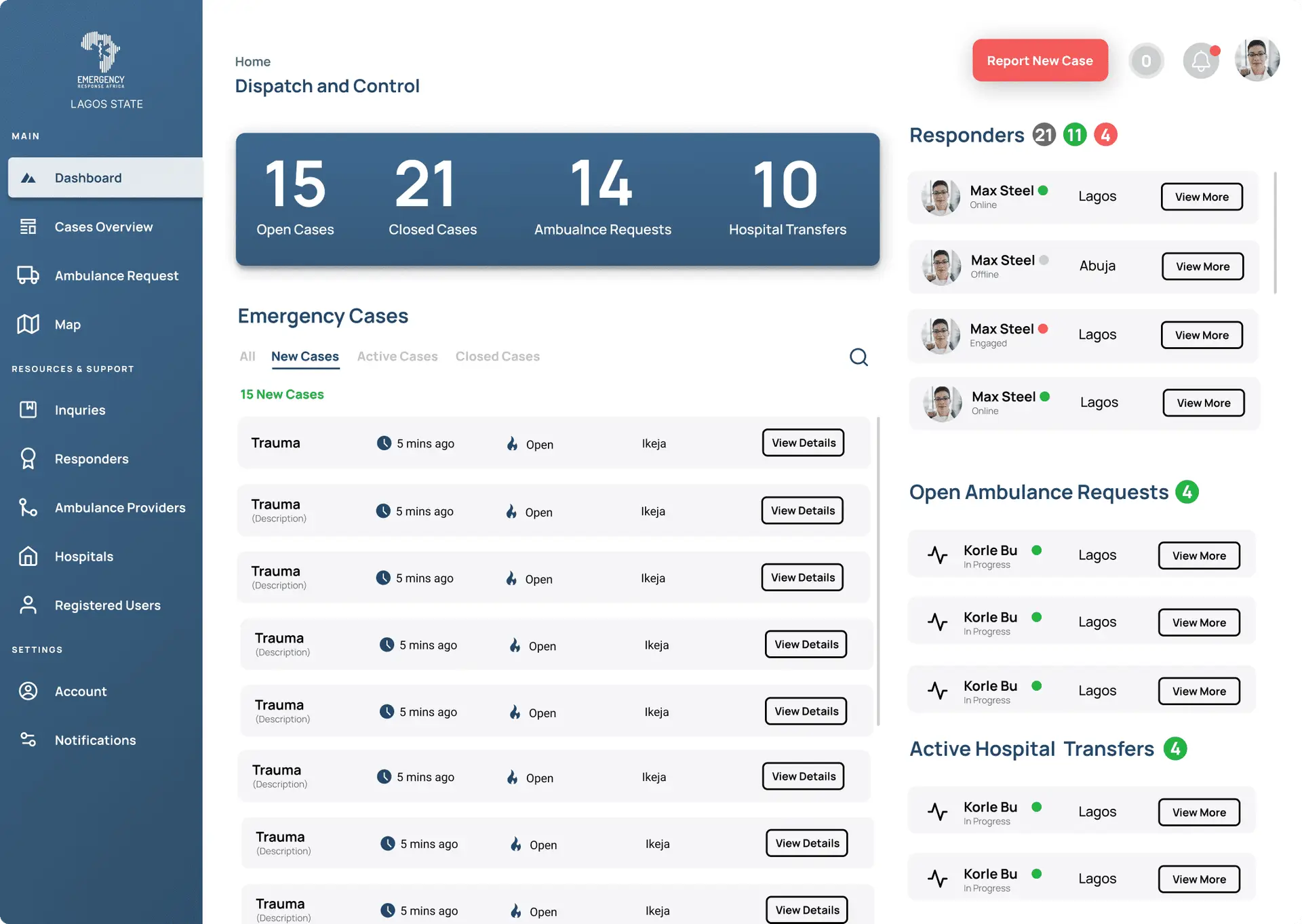
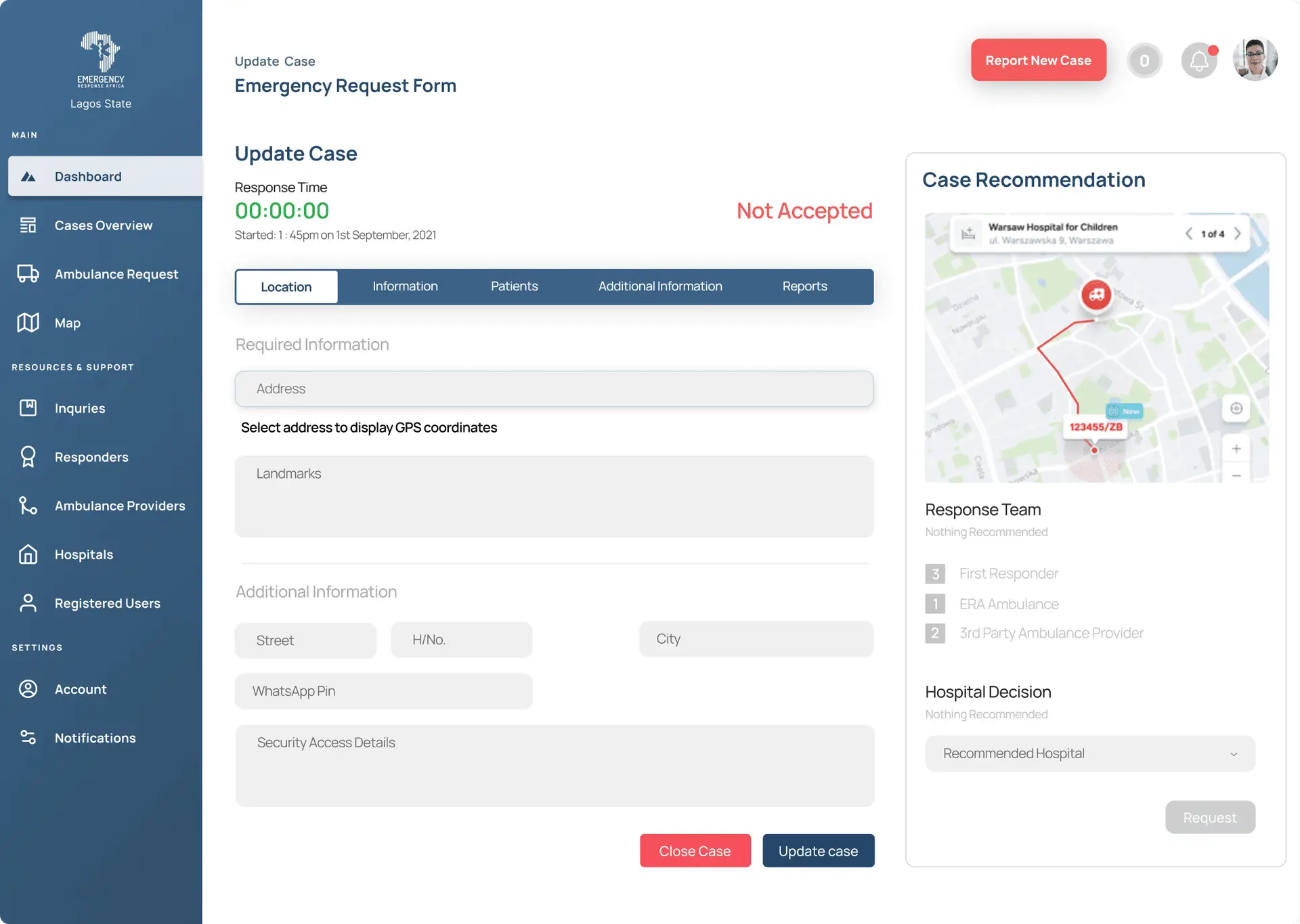
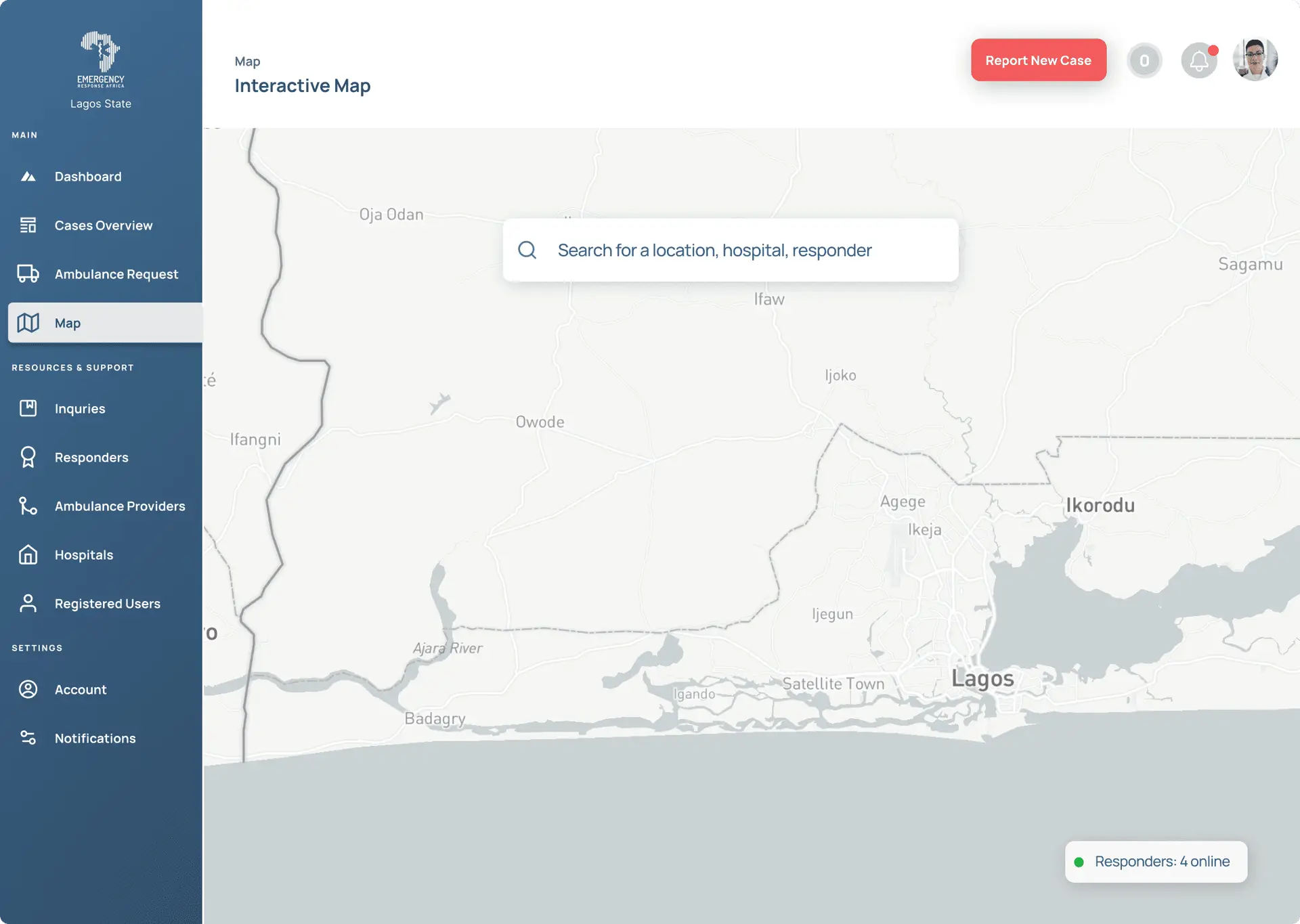
The fourth phase involved a redesign of the current dispatch management module. To comprehend the reasons behind the requests, I conducted a comprehensive critique of the app, comparing it with other existing solutions to identify strengths, weaknesses, desirable features, potential changes, and additions, along with the rationale behind them. With sufficient insights collected, we moved on to refining our wireframes and prototypes. Maintaining a user-centric approach, we actively engaged end users throughout the process to ensure that the final product aligned with their needs and expectations.
Handoff
After completing the agreed-upon deliverables, we prepared a handover document detailing each step and process we used, along with links to the respective file repositories. We also developed a design strategy similar to our initial design process but more flexible to allow for easier integration of new changes or designs.
We identified three types of requests: simple UI tasks, feature additions, and structural changes or fixes. For each type, we assigned timelines, outlined processes, and specified necessary authorizations. This plan aimed to guide whoever took over the project, as the company did not yet have a structured design process. Our approach was agile enough to meet the business’s rapid timelines.